
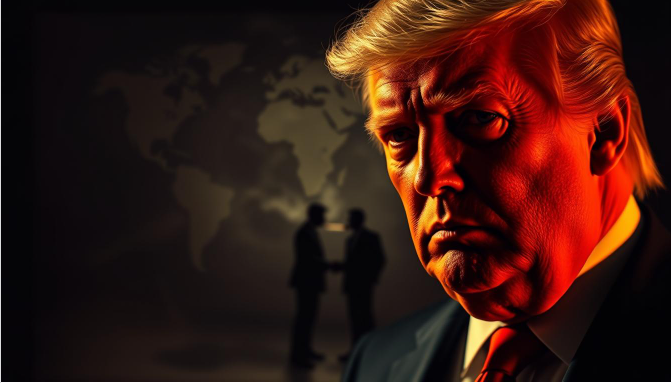
The Trump administration’s move to impose reciprocal tariffs on India escalated trade tensions between the two nations.
This action was part of a larger Trump trade policy aimed at fixing what he saw as unfair trade imbalances.
The decision impacted India-U.S. trade deeply, affecting many sectors. It also raised concerns among businesses and policymakers.
Key Takeaways
- The Trump administration’s decision to impose tariffs was seen as a response to India’s trade practices.
- This move was part of a larger effort to renegotiate trade agreements and reduce trade deficits.
- The tariffs imposed had significant implications for India-U.S. trade relations.
- Businesses in both countries were affected by the trade tensions.
- The situation highlighted the complexities of international trade negotiations.
The Decision Unveiled: Trump’s New Trade Policy Toward India
The Trump administration has made a big change in its trade policy toward India. They are now putting tariffs on many Indian goods. This move is to make sure trade is fair and will affect several important industries.
Key Announcements and Presidential Statements
President Trump announced at a White House press conference. He said it’s important for trade to be fair. The tariffs are because of what the U.S. sees as unfair trade practices by India.
White House Justification for the Tariffs
The White House says the tariffs are needed to help American businesses. They point to India’s tariffs on U.S. goods as the main reason.
Timeline of the Policy Implementation
The tariffs will start in phases over the next three months. The U.S. Trade Representative’s office has published a detailed plan and list of products affected.
| Phase | Implementation Date | Affected Products |
|---|---|---|
| 1 | April 1, 2023 | Textiles, Steel |
| 2 | June 15, 2023 | Pharmaceuticals, Electronics |
| 3 | September 1, 2023 | Agricultural Products, Automobiles |
Understanding Reciprocal Tariffs: The Core of Trump’s Trade Strategy
Reciprocal tariffs are at the heart of Trump’s new trade strategy. They aim to make trade between the U.S. and India fair and equitable. This strategy is designed to level the playing field.
Definition and Mechanics of Trade Reciprocity
Trade reciprocity means countries trade fairly by giving each other similar benefits. In the U.S.-India trade, this means the U.S. will tax Indian goods the same way India taxes U.S. goods.
How These Tariffs Differ from Standard Import Duties
Unlike regular import duties, reciprocal tariffs are made to match the other country’s rates. This is a strong way to negotiate better trade deals.
Legal Framework Under U.S. Trade Law
The law behind reciprocal tariffs in the U.S. comes from various statutes. Section 301 of the Trade Act of 1974 lets the U.S. Trade Representative fight unfair trade practices.
| Key Aspects | Description |
|---|---|
| Reciprocity Principle | Mutual exchange in trade agreements |
| Tariff Matching | Tariffs imposed match the rates of the other country |
| Legal Basis | Section 301 of the Trade Act of 1974 |
6 Key Indian Industries Hit Hardest by the New Tariffs
The Trump administration’s new tariffs are hitting Indian industries hard. This trade policy change is affecting key sectors of India’s economy.
Textiles and Garment Exports
The textiles industry is a big part of India’s exports. Tariffs on textile imports are making it harder for India to compete globally. Exporters worry they might lose market share to countries like Bangladesh and Vietnam.
Pharmaceutical Products and Generic Medications
India’s pharmaceutical sector, known for quality generic meds, is also affected. Higher import costs could raise prices for U.S. consumers. This could make healthcare less affordable.
Information Technology Services
IT services aren’t directly hit by tariffs. But the industry fears visa restrictions and other protectionist moves that might come with these policy changes.
Agricultural Products and Spices
Agricultural exports, including spices, face new hurdles with tariffs. These tariffs could cut exports and harm farmers’ incomes.
Steel and Aluminum Manufacturing
The steel and aluminum sectors are directly affected by tariffs. This could raise production costs for U.S. makers using Indian materials.
Jewelry and Precious Stones
The jewelry industry, famous for its stones and designs, is also impacted. Tariffs could make raw materials more expensive, making Indian jewelry less competitive.
| Industry | Impact of Tariffs |
|---|---|
| Textiles and Garment Exports | Reduced competitiveness, possible loss of market share |
| Pharmaceutical Products | Higher prices for consumers, impact on affordable healthcare |
| Agricultural Products and Spices | Decline in exports, affecting farmers’ livelihoods |
| Steel and Aluminum Manufacturing | Increased production costs for U.S. manufacturers |
| Jewelry and Precious Stones | Increased cost of raw materials, reduced competitiveness |
The Numbers Game: Tariff Rates and Economic Impact
The U.S. and India have started charging each other tariffs. This change affects many areas of global trade. It impacts different sectors and industries in various ways.
Percentage Increases on Major Import Categories
New tariffs have led to big increases on key imports from India. For example, tariffs on Indian steel and aluminum have gone up. This affects U.S. manufacturing.
Some of the main import categories include:
- Textiles and garments
- Pharmaceutical products
- Information technology services
- Agricultural products and spices
Estimated Revenue Generation for U.S. Treasury
The U.S. Treasury will make a lot of money from these tariffs. It’s estimated to be in the billions of dollars each year.
| Import Category | Tariff Rate Increase | Estimated Revenue |
|---|---|---|
| Steel and Aluminum | 25% | $1.2 billion |
| Textiles and Garments | 15% | $800 million |
| Pharmaceuticals | 10% | $500 million |
Comparative Analysis with Other U.S. Trading Partners
Comparing tariffs with other U.S. trading partners shows India’s tariffs are high. This affects trade relations and global supply chains.
Trade experts and economists will watch the tariff’s economic impact closely. As things change, trade policies might need to adjust to lessen harm.
5 Ways American Consumers Will Feel the Effects
The new trade policy toward India will change how American consumers buy things. Prices might go up, and some products could be harder to find. The Trump administration’s new tariffs on Indian goods will impact many areas.
Price Increases on Popular Indian Imports
Prices of popular Indian imports will likely go up. This includes textiles, spices, and handicrafts. For example, Indian cotton clothes might cost more because of the tariffs.
Availability Changes for Certain Products
Some Indian products might be harder to find because of the tariffs. This could be true for spices, medicines, and other specialty items from India.
Impact on Specialty and Ethnic Markets
Specialty and ethnic markets will be hit hard. These markets sell a lot of Indian products. The higher costs could mean higher prices for customers.
Effects on Online Retailers Selling Indian Goods
Online stores that sell Indian goods will also face challenges. They might have to raise their prices or see fewer sales.
Long-term Consumer Behavior Shifts
Over time, American shoppers might change how they buy things. They might look for other products or suppliers. This could help other countries that sell similar goods to the U.S.
| Category | Potential Impact | Consumer Response |
|---|---|---|
| Textiles and Garments | Price increase | Seek alternative suppliers |
| Pharmaceuticals | Availability changes | Look for generic alternatives |
| Spices and Food Products | Price hike | Adjust cooking habits or switch brands |
India’s Response: Countermeasures and Diplomatic Reactions
India has taken several steps in response to the U.S. trade policy change. The government has been active in dealing with the U.S. tariffs. They are working hard to address the new trade situation.
Official Statements from Indian Government Officials
Indian officials have spoken out about the U.S. decision. They want a fair trade deal between the two nations. The Ministry of Commerce and Industry has led the way, making statements and talking to the media.
Retaliatory Tariffs on American Exports
India has put tariffs on some U.S. goods in return. This move aims to balance trade and push the U.S. to rethink its policy. The tariffs are on things like food, cars, and some made products.

Diplomatic Negotiations Underway
Talks between India and the U.S. are going on, even with tariffs in place. Both sides are trying to solve the trade issue peacefully. These talks are key to the future of their trade relationship.
Indian Business Community Response
The business world in India is worried about the tariffs’ impact. Industry groups are pushing for talks between the governments. They also want to find new markets and ways to deal with the tariffs.
The “America First” Philosophy Behind Reciprocal Tariffs
The “America First” philosophy is key to Trump’s trade policy. It guides his use of reciprocal tariffs with countries like India. This idea puts the U.S. economy first, above all else.
Trump’s Trade Doctrine Evolution
Trump’s trade policy has changed a lot. At first, he aimed to renegotiate trade deals for the U.S. Now, he also uses tariffs on countries seen as unfair.
Comparison with Previous Administrations’ Approaches
Trump’s trade policy is different from past ones. He favors a more protectionist, unilateral approach. This change marks a shift in U.S. trade engagement.
Political Support and Opposition Within the U.S.
Some Americans support Trump’s “America First” policy. They think it helps the U.S. economy. But others oppose it, fearing it could hurt the economy.
Connection to Broader Economic Nationalism
Trump’s trade policies fit into a larger economic nationalism trend. This movement values national sovereignty and economic self-sufficiency.
As Trump said,
“We can’t continue to allow China, India, and other countries to take advantage of us on trade. We’re going to start negotiating fair deals, and if they don’t want to make a fair deal, we’re going to have a little problem with them.”
This shows Trump’s commitment to the ‘America First’ trade stance.
7 Possible Outcomes for U.S.-India Trade Relations
The new trade policy toward India, with reciprocal tariffs, could lead to many outcomes. These tariffs will affect trade relations in many ways.
Short-term Market Disruptions
The first effect of these tariffs might be short-term market disruptions. Indian exports to the U.S. could drop because of higher U.S. import duties. This could hurt businesses that count on the American market.
Renegotiation of Trade Agreements
This move might make India want to renegotiate trade agreements or find new ones. The U.S. might also need to rethink its trade policies to lessen losses.
Impact on Strategic Partnership Beyond Trade
The reciprocal tariffs could also strain the strategic partnership between the U.S. and India. This could affect cooperation in defense and technology.
Effects on Technology Transfer and Cooperation
Technology transfer and cooperation between the U.S. and India might be affected. Stricter trade policies could limit the exchange of technology.
Changes to Investment Patterns
New tariffs could change how investors invest. Investors might look for other markets or adjust their plans to fit the new trade scene.
Supply Chain Restructuring
Companies might need to change their supply chains to avoid higher tariffs. This could make supply chains more diverse but also cost more upfront.
Potential New Trade Opportunities
On the bright side, this situation could open up new trade opportunities. Both countries might explore new markets or strengthen ties with other nations.
| Potential Outcome | Short-term Impact | Long-term Impact |
|---|---|---|
| Market Disruptions | High | Moderate |
| Renegotiation of Trade Agreements | Moderate | High |
| Strategic Partnership | Moderate | High |
Expert Perspectives: What Economists and Trade Analysts Are Saying
Economists and trade analysts have different views on Trump’s tariffs on India. They see big changes in global trade. These changes could affect many areas.
American Economic Think Tank Assessments
U.S. think tanks have mixed opinions on Trump’s trade policy. Some think the reciprocal trade measures will help America. Others fear it could hurt the economy.
Indian Financial Expert Viewpoints
Indian experts worry about India’s trade tariffs. They think it could slow down important industries. They urge talks to fix the trade issues.
International Trade Organization Analyses
Global trade groups warn against more trade wars. They say we need to talk and work together. This keeps trade stable worldwide.
Industry-Specific Impact Predictions
Experts say textiles and pharmaceuticals will feel the tariffs hard. Companies should get ready for changes in how they do business.

Historical Context: The Rocky Road of U.S.-India Trade Relations
The U.S.-India trade relationship has seen ups and downs, with many disputes over the years. Knowing this history helps us understand today’s trade tensions.
Previous Trade Disputes
There have been many trade disagreements between the U.S. and India. These include fights over intellectual property rights and access to markets. For example, the U.S. has criticized India’s data policies.
Resolution Mechanisms Used in Past Conflicts
In the past, conflicts were solved through talks between the two countries. Sometimes, the World Trade Organization (WTO) got involved too.
Comparison with Current Situation
The current trade tensions are different from before. Now, we see reciprocal tariffs, which have raised the stakes. Here’s a comparison:
| Aspect | Past Disputes | Current Situation |
|---|---|---|
| Nature of Dispute | IPR, Market Access | Reciprocal Tariffs |
| Resolution Mechanism | Bilateral Talks, WTO | Negotiations, Possible WTO Involvement |
Global Ripple Effects: How Other Nations Are Responding to the Tariff War
The U.S. and India’s recent trade dispute has had big effects worldwide. These two big economies are fighting over tariffs, and others are watching. They’re thinking about how this might change their trade and economy.
Reactions from Major Trading Partners
The European Union and China are keeping a close eye on the situation. The EU worries about global supply chains getting disrupted. China sees a chance to grow its market by selling more where U.S. and Indian goods might not be as competitive.
Potential Shifts in Global Supply Chains
The ongoing tariff war could change global supply chains a lot. Companies might start making things in different places to avoid tariffs. This could open up new chances for countries not in the middle of the fight.
WTO’s Position and Possible Involvement
The World Trade Organization (WTO) has been told about the dispute. It’s likely to help solve the problem. The WTO’s decision could change international trade rules and how reciprocal trade measures are used.
Opportunities for Third-Party Countries
Countries not in the U.S.-India tariff fight might get new chances. For example, Vietnam and Bangladesh could sell more textiles to the U.S. as Americans look for other options.
| Country | Potential Gain | Projected Impact |
|---|---|---|
| Vietnam | Increase in textile exports | High |
| Bangladesh | Growth in garment manufacturing | Moderate |
| China | Expansion in U.S. market share | Significant |
Conclusion: The Future of Trade in an Era of Reciprocal Tariffs
The U.S. has started charging India the same tariffs India charges the U.S. This change is big for trade between the two countries. It’s part of the “America First” plan to make trade fairer.
Now, we’ll see how this affects different areas like textiles, medicines, and tech services. These tariffs could change trade not just between the U.S. and India but worldwide.
How trade between the U.S. and India will go from here depends on talks between the two. In the short term, we might see some market problems. But, in the long run, it could make trade more balanced.
This situation is being watched by the world. The outcome could change how countries deal with trade fairness globally.
FAQ
What are reciprocal tariffs, and how do they affect international trade?
Reciprocal tariffs are taxes one country puts on another in return for taxes from that country. This can start a trade war. It can make prices go up for people buying things.
How will the new tariffs imposed by the Trump administration on India impact U.S.-India trade relations?
The new tariffs might make U.S.-India trade relations worse. India might take a step back, affecting trade deals and other areas of cooperation.
Which Indian industries are most likely to be affected by the new tariffs?
Textiles, pharmaceuticals, IT services, and farm products will likely see big impacts. These are key exports to the U.S.
How will American consumers be affected by the tariffs on Indian goods?
Prices on Indian imports might go up. There could be fewer products available. Online stores selling Indian goods might also see changes.
What is India’s response to the new tariffs, and what retaliatory measures has it taken?
India has made official statements and put tariffs on American goods. It’s also talking to the U.S. to try to fix the trade issue.
How do the reciprocal tariffs fit into the broader “America First” trade policy philosophy of the Trump administration?
The tariffs are part of the “America First” policy. It aims to help the U.S. economy and cut down trade deficits by being more active in trade talks.
What are the possible long-term effects of the tariff war on global trade and supply chains?
The tariff war could change global supply chains a lot. It might open up new chances for other countries. It could also change how countries trade with each other, affecting the world economy.
How might the World Trade Organization (WTO) become involved in resolving the trade dispute between the U.S. and India?
The WTO might help solve the trade issue. It has a system for dealing with disputes. This could help find a solution.